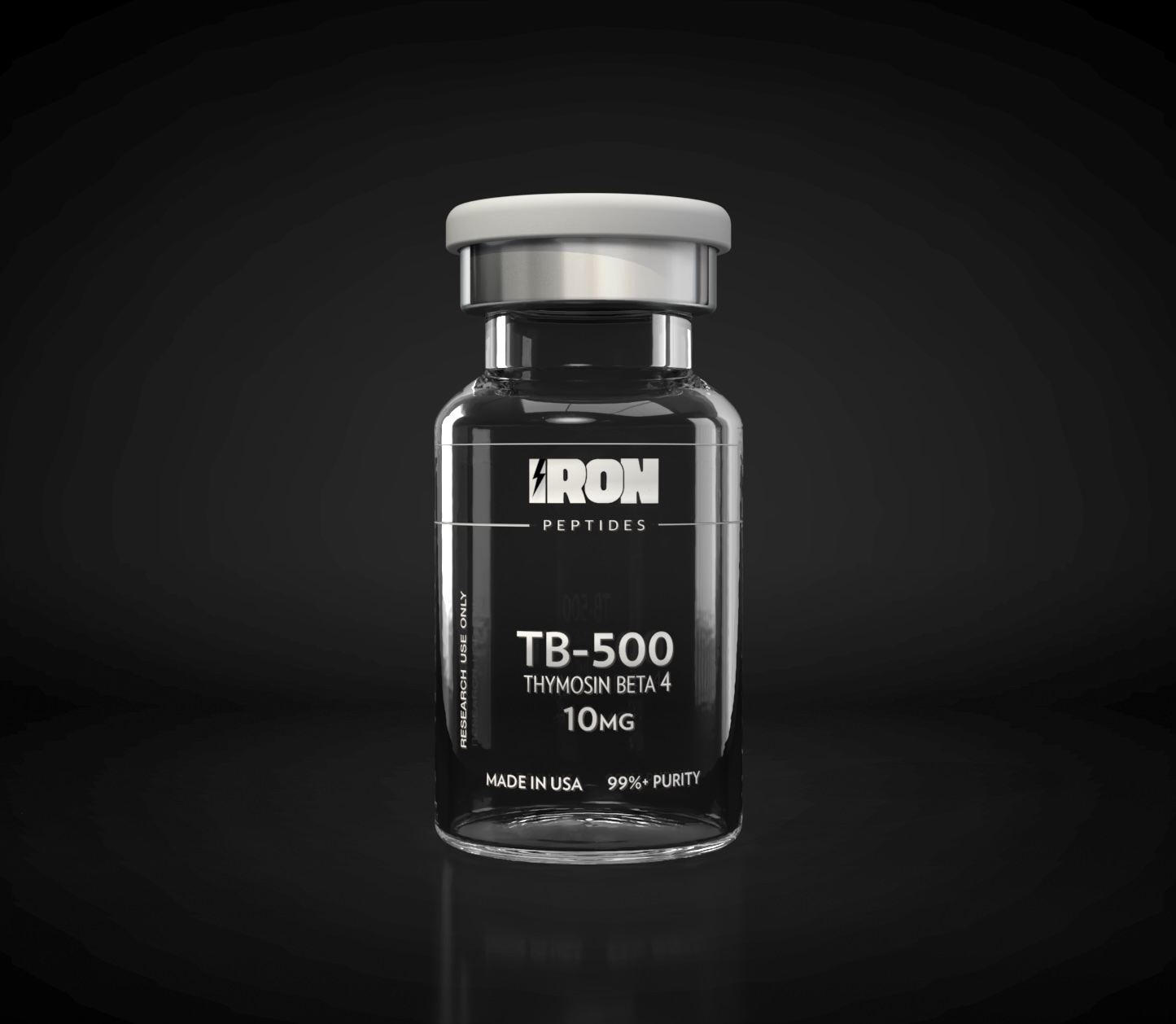
TB-500 10MG
$139.99
Shipping Calculated at checkout.
Availability: 280 in stock
FREE SHIPPING
99%+ PURITY
MADE IN USA
Vial
- Mazdutide 10MG
- AICAR 50MG
- Lipo-C 10ML
- Survodutide 10MG
- LC-526 Metabolic Complex
- SSJ-9 Amino Matrix
- Epitalon
- L-Carnitine 600MG / 10ML
- Cerebrolysin 60MG
- Oxytocin 5mg
- SELANK
- 5-Amino-1MQ
- VIP
- L-Glutathione 1500MG
- Acetic Acid Solution
- HCG 10000iu
- BAC Water 30ML
- BAC Water 10ML
- GLOW 70MG
- IGF-1 LR3 1MG
- Thymalin
- HCG (5000iu)
- Wolverine Stack Peptides – BPC-157 (5mg) / TB-500 (5mg)
- BAC Water 3ML
- Melanotan II (MT-2) 10MG
- SLU-PP-332 (5MG)
- KPV 10MG
- GHK-Cu
- KLOW 80 – GHK-Cu (50mg) / KPV (10mg) / BPC-157 (10mg) / TB500 (10mg)
- Gonadorelin
- L-Glutathione (200MG)
- SEMAX (10MG)
- Cagrilintide (10MG)
- DSIP – Delta Sleep‑Inducing Peptide (5MG)
- RETA GLP-3
- Kisspeptin-10
- Ipamorelin / CJC-1295 No Dac 10mg
- Tirz GLP-2
- L-Glutathione (500mg)
- Pancragen 20 MG
- Prostamax 20 MG
- Livagen 20 MG
- Testagen 20 MG
- CardioCytogen 20 MG
- TB-4
- ARA‑290 10mg
- FOXO4-DRI (D-Retro-Inverso) 10mg
- SS-31 (10MG)
- Tesamorelin (10MG)
- AOD-9604
- IPAMORELIN 10MG
- PT-141 10MG
- NAD+
- TB-500 10MG
- SEMA GLP-1
- MOTS-C 10MG
- CJC-1295 (10MG)
- BPC-157 (10MG)
IRON
- Mazdutide 10MG
- AICAR 50MG
- Lipo-C 10ML
- Survodutide 10MG
- Methylene Blue 20MG
- 5-Amino-1MQ Capsules 50mg 60 cap
- LC-526 Metabolic Complex
- SSJ-9 Amino Matrix
- MITOCHONDRIAL POWER STACK
- SHRED MATRIX X4
- ANABOLIC SIGNALING MATRIX X3
- L-Carnitine 600MG / 10ML
- Cerebrolysin 60MG
- Oxytocin 5mg
- SELANK
- 5-Amino-1MQ
- VIP
- L-Glutathione 1500MG
- Acetic Acid Solution
- HCG 10000iu
- BAC Water 30ML
- BAC Water 10ML
- GLOW 70MG
- IGF-1 LR3 1MG
- Thymalin
- HCG (5000iu)
- Wolverine Stack Peptides – BPC-157 (5mg) / TB-500 (5mg)
- BAC Water 3ML
- Melanotan II (MT-2) 10MG
- SLU-PP-332 (5MG)
- KPV 10MG
- GHK-Cu
- KLOW 80 – GHK-Cu (50mg) / KPV (10mg) / BPC-157 (10mg) / TB500 (10mg)
- Gonadorelin
- L-Glutathione (200MG)
- SEMAX (10MG)
- Cagrilintide (10MG)
- DSIP – Delta Sleep‑Inducing Peptide (5MG)
- RETA GLP-3
- MK-ULTRA (MK-777)
- Kisspeptin-10
- Ipamorelin / CJC-1295 No Dac 10mg
- Tirz GLP-2
- L-Glutathione (500mg)
- N-Acetyl Selank Spray (30mg) 10ml
- N-acetyl Semax Spray (30mg) 10ml
- Pancragen 20 MG
- Prostamax 20 MG
- Livagen 20 MG
- Testagen 20 MG
- CardioCytogen 20 MG
- TB-4
- ARA‑290 10mg
- FOXO4-DRI (D-Retro-Inverso) 10mg
- KPV 250 MCG (60 Capsules)
- SLU-PP-332 (60 capsules, 250MCG)
- SS-31 (10MG)
- Tesamorelin (10MG)
- MK-677 12.5MG (60 capsules)
- AOD-9604
- IPAMORELIN 10MG
- Healing and Repair Research Blend (60 capsules)
- BPC-157 250MCG (60 capsules)
- Tesofensine 500MCG (100 capsules)
- PT-141 10MG
- NAD+
- TB-500 10MG
- SEMA GLP-1
- MOTS-C 10MG
- CJC-1295 (10MG)
- BPC-157 (10MG)


What is TB-500 10MG?
Introduction
TB‑500 is a synthetic peptide fragment derived from the active region of Thymosin Beta‑4 (Tβ4), designed to facilitate controlled investigation of biological processes relevant to tissue repair and structural remodeling in laboratory settings. Unlike the full-length parent peptide, TB‑500 isolates the key functional sequence responsible for influencing cytoskeletal dynamics and cellular behavior, allowing researchers to probe its effects with improved stability and reproducibility in experimental models. Preclinical studies have demonstrated that TB‑500 interacts with monomeric actin to regulate the balance between globular and filamentous actin, which is fundamental to cellular motility and the capacity of cells to traverse extracellular environments during healing processes. By modulating these cytoskeletal elements, the peptide supports the migration of various cell types such as endothelial cells, fibroblasts, and keratinocytes to regions of simulated damage in vitro and in animal models, where coordinated movement is a prerequisite for effective tissue restoration. In these systems, TB‑500’s influence extends to the formation of new blood vessels and the restructuring of extracellular matrix components, processes that are essential for supplying oxygen and nutrients and for establishing organized tissue architecture after induced injury . Additionally, experimental evidence suggests that the peptide may affect inflammatory signaling pathways and progenitor cell activity, potentially contributing to a more balanced reparative response at the molecular level. Investigators also examine TB‑500 in contexts ranging from dermal wound closure to models of cardiac ischemic injury, reflecting its utility as a tool for exploring regenerative mechanisms across multiple organ systems. It is important to emphasize that the vast majority of data supporting these observations come from in vitro and animal studies, and translation into validated clinical applications in humans remains limited, with no broad regulatory approval for therapeutic use. As such, TB‑500 continues to be utilized primarily as a research compound to elucidate peptide-mediated pathways involved in structural repair and regeneration, rather than as an established medical intervention.Mechanism of action
TB‑500 works primarily by modulating cellular actin dynamics, which are essential for cell structure, movement, and tissue repair. Its mechanism can be summarized through several key processes:1. Actin Regulation
TB‑500 exerts its biological effects primarily through regulation of actin dynamics, which are critical for cellular movement, structural integrity, and tissue repair. The peptide binds to G-actin (globular actin) monomers and prevents their polymerization into F-actin (filamentous actin), thereby controlling the G-actin/F-actin ratio within cells. This modulation allows cells to reorganize their cytoskeleton efficiently, enabling directed migration of fibroblasts, keratinocytes, endothelial cells, and other repair-associated cells toward sites of injury.2. Promotion of Angiogenesis
In addition to cytoskeletal regulation, TB‑500 influences angiogenesis by promoting endothelial cell migration and capillary formation. Preclinical studies suggest that it enhances the expression of vascular endothelial growth factor (VEGF) and other angiogenic mediators, facilitating the formation of new blood vessels in damaged tissues, which improves nutrient and oxygen delivery critical for repair.3. Extracellular Matrix (ECM) Remodeling
B‑500 also plays a role in extracellular matrix (ECM) remodeling. It can stimulate the expression of matrix metalloproteinases (MMPs), which break down damaged ECM components, allowing for proper tissue restructuring and reducing scar formation. Furthermore, TB‑500 has been shown to modulate inflammatory responses, including the regulation of pro- and anti-inflammatory cytokines, which may help resolve excessive inflammation at injury sites and promote a more controlled repair process [3].- Overall effect Overall, TB‑500 acts as a multi-faceted regenerative modulator, combining cytoskeletal reorganization, enhanced cell migration, angiogenesis, ECM remodeling, and inflammatory modulation to support accelerated tissue repair and regeneration. Its mechanism is largely preclinical and experimental, observed in in vitro and animal models, and while promising, it has not been fully validated in human clinical studies. It can be summarize as
actin modulation → cell migration → angiogenesis → ECM remodeling → tissue repair.

Chemical Structure of TB-500 10MG
Sequence: Ac-Ser-Asp-Lys-Pro-Asp-Met-Ala-Glu-Ile-Glu-Lys-Phe-Asp-Lys-Ser-Lys-Leu-Lys-Lys-Thr-Glu-Thr-Gln-Glu-Lys-Asn-Pro-Leu-Pro-Ser-Lys-Glu-Thr-Ile-Glu-Gln-Glu-Lys-Gln-Ala-Gly-Glu-Ser
Molecular formula: C₂₁₂H₃₅₀N₅₆O₇₈S
Molar Mass: 4963.4408
CAS number: 77591-33-4
PubChem: CID 16132341

What Are the Effects of TB-500 10MG?
Implementations of TB‑500 in Actin Dynamics
TB‑500 is extensively used in research to study cytoskeletal regulation and cellular motility. It modulates G‑actin availability and affects the F‑actin polymerization state, thereby influencing filament formation and cell shape [1,2]. The peptide also alters stress fiber organization, which supports structural integrity under mechanical stress [3]. Advanced studies investigate lamellipodia and filopodia formation to understand directed cell migration, while live‑cell imaging tracks dynamic actin remodeling in response to TB‑500. Additionally, TB‑500 is applied in high‑throughput assays to explore interactions with actin‑associated proteins, such as cofilin and the ARP2/3 complex, elucidating mechanisms of cellular motility, tissue coverage, and repair. Research has shown that modulation of actin dynamics by thymosin beta‑4 influences not only structural filament rearrangement but also cell adhesion, protrusive activity at the leading edge, and metalloproteinase‑mediated extracellular matrix remodeling, which together facilitate coordinated migration in wound‑healing and regeneration models [2,4]. These experimental systems help clarify how actin‑binding proteins coordinate complex behaviors in diverse cell types.
Cell Migration and Adhesion Phenotyping Applications of TB-500
It is widely employed in experimental systems to evaluate cell migration patterns and adhesion behavior under controlled laboratory conditions. In vitro scratch-wound assays are commonly used to assess the influence of TB-500 on coordinated lateral movement and monolayer closure, serving as a model for collective cell migration during tissue repair [5]. Transwell migration and invasion assays further characterize its effects on chemotactic movement and the capacity of cells to traverse semi-permeable membranes in response to directional cues [6]. In parallel, investigations into focal adhesion remodeling examine changes in integrin signaling, focal adhesion kinase (FAK) activation, and redistribution of adhesion-associated proteins such as vinculin and paxillin, which regulate attachment strength and traction force generation [7]. Experimental evidence suggests that thymosin beta-4–derived peptides promote dynamic adhesion turnover, enabling efficient detachment at the trailing edge while stabilizing nascent adhesions at the leading edge, a balance critical for persistent and directed migration [7,8]. Together, these phenotyping approaches allow researchers to dissect how actin-binding peptides coordinate adhesion–migration coupling in models of wound repair, angiogenesis, and tissue remodeling [1–4].
TB-500 Studies on Oxidative Stress and Innate Signaling
TB-500 is utilized in experimental cell systems to examine cellular responses to oxidative stress and innate immune signaling activation. In controlled in vitro models, cells exposed to defined stressors such as hydrogen peroxide or inflammatory mediators are analyzed to determine how TB-500 influences redox-sensitive signaling cascades and stress-adaptive responses [1]. Particular attention is given to Toll-like receptor (TLR) associated adaptor pathways, including MyD88- and TRIF-dependent signaling modules, where downstream transcriptional outputs such as NF-κB and AP-1 activation are quantified [9]. Experimental findings suggest that thymosin beta-4–derived peptides can attenuate excessive innate signaling by modulating cytokine transcription and limiting stress-induced inflammatory amplification [10]. Additional assays evaluate changes in reactive oxygen species accumulation, antioxidant enzyme expression, and cell survival markers, providing insight into how actin-associated peptides influence the interface between cytoskeletal regulation, oxidative stress tolerance, and innate immune signaling [6]. These approaches support the use of TB-500 as a tool for dissecting stress-responsive signaling networks relevant to tissue injury and inflammatory regulation in preclinical research systems.
Effects on Endothelial Function and Angiogenic Signaling
it is employed in experimental models to interrogate vascular endothelial behavior and molecular drivers of neovascularization. In vitro capillary network assembly assays are used to quantify endothelial branching, junction stability, and lumen development, providing functional measures of angiogenic competence in response to peptide exposure [8]. At the transcriptional level, researchers evaluate alterations in the VEGF signaling axis, including changes in VEGF ligand expression, receptor phosphorylation status, and downstream effector pathways such as Akt and MAPK that regulate endothelial proliferation and survival [1]. Complementary analyses examine TB-500–associated modulation of endothelial migration polarity, cytoskeletal alignment, and nitric oxide–related signaling, all of which contribute to vascular maturation and permeability control [11]. In vivo and ex vivo angiogenesis models further demonstrate that thymosin beta-4–derived peptides influence endothelial sprouting and vessel stabilization, enabling detailed dissection of peptide-mediated regulation of angiogenic signaling networks during tissue remodeling and ischemic adaptation [12].
Analysis of Oxidative Stress and Innate Signaling via TB-500
It is applied in cellular research models to examine how cells adapt to oxidative challenges and innate immune activation under experimentally controlled conditions. In vitro systems exposed to defined stressors, such as reactive oxygen species generators or inflammatory ligands, are used to evaluate changes in stress-responsive signaling networks in the presence of TB-500 [1]. Particular emphasis is placed on monitoring Toll-like receptor (TLR)–associated adaptor pathways, including MyD88- and TRIF-mediated signaling cascades, by quantifying downstream transcriptional activity of NF-κB, IRF family members, and pro-inflammatory cytokine genes [13]. Experimental evidence suggests that thymosin beta-4–related peptides can modulate the amplitude and duration of innate signaling responses, potentially limiting excessive inflammatory activation while preserving cellular viability during oxidative stress [14]. Additional analyses assess alterations in intracellular redox balance, antioxidant enzyme expression, and mitochondrial stress markers, enabling researchers to explore how actin-associated peptides intersect with innate immune signaling and oxidative stress tolerance in preclinical cell systems [15]
Neural Tissue and Glial Cell Biology
Thymosin β4 has been explored in preclinical neural injury paradigms, particularly rodent spinal cord trauma models, to assess its impact on post-injury tissue remodeling and cellular responses. Experimental designs commonly integrate histological evaluation, microvascular analysis, and behavioral outcome measures to characterize changes in lesion organization, vascular adaptation, and motor function following injury [16]. Review literature situates thymosin β4 within broader neuroregenerative research frameworks, proposing roles in cytoskeletal stabilization, vascular support, and modulation of injury-associated inflammatory signaling, while emphasizing that current evidence remains confined to experimental systems [1].
Complementary studies using spinal cord–derived neural stem and progenitor cell cultures have investigated thymosin β4 under controlled oxidative stress conditions. These in vitro models employ pathway-focused analyses that link thymosin β4 exposure to modulation of TLR4/MyD88-dependent innate signaling, accompanied by changes in oxidative mediator levels, mitochondrial stress indicators, and cell survival metrics [17]. Additional findings suggest involvement in redox homeostasis and stress-adaptive transcriptional responses, supporting its use as a mechanistic probe for studying interactions between cytoskeletal regulation, innate immune signaling, and cellular resilience in neural support cells [18]. Collectively, these investigations establish thymosin β4 as a valuable research tool for interrogating neurobiological repair mechanisms without extending conclusions toward clinical translation.
Angiogenesis and Vascular ECM Dynamics
It has been shown to influence angiogenic processes and vascular remodeling in preclinical experimental systems. Studies indicate that the peptide modulates VEGF-dependent signaling pathways, contributing to endothelial proliferation, migration, and the formation of new vascular networks [8]. Mechanistic investigations suggest that thymosin β4 facilitates cellular motility, extracellular matrix (ECM) reorganization, and interactions between endothelial cells and pericytes, which are essential for vessel maturation and stability [1,12]. These effects are commonly evaluated using a combination of molecular assays, histological analysis, and functional vascular readouts, enabling researchers to dissect the peptide’s role in tissue angiogenesis and structural remodeling during regenerative and ischemic injury models [11].
Hair Follicle and Skin-Appendage Model Readouts
Murine skin models have implicated thymosin β4 in the regulation of hair follicle structure and cycling, with altered expression associated with changes in follicular morphology and growth-phase dynamics [19]. Experimental systems further demonstrate that thymosin β4 influences epidermal stem and progenitor cell behavior, including mobilization from the follicular bulge and differentiation within the cutaneous niche [20]. Wound-responsive models reveal additional roles in keratinocyte migration, cytoskeletal remodeling, and extracellular matrix reorganization, processes integral to appendage regeneration [21]. Mechanistic analyses suggest involvement of actin-linked transcriptional pathways and Wnt/β-catenin signaling, supporting the use of thymosin β4 as a preclinical tool for investigating skin appendage maintenance and regenerative biology [1,19].
Infectious Disease Models & Host-Response Biology
it has been explored in preclinical infection models as an adjunct modulator of host tissue responses during bacterial challenge, most notably in murine Pseudomonas aeruginosa keratitis systems. Studies combining thymosin β4 with fluoroquinolone therapy have evaluated outcomes such as bacterial clearance kinetics, neutrophil recruitment patterns, cytokine and chemokine profiles, and oxidative stress markers, demonstrating effects on inflammation resolution and tissue preservation rather than direct antimicrobial activity [22,23]. Related investigations in ocular and epithelial infection models further report alterations in matrix metalloproteinase activity, epithelial barrier stability, and wound closure dynamics under infectious stress conditions [24]. Additional immunological analyses suggest that thymosin β4 may influence innate immune signaling balance and leukocyte-mediated tissue injury, supporting its use as a research probe for studying host pathogen interactions and tissue-protective mechanisms during antibiotic-treated infections [1,24].
Cardiovascular and Renal Preclinical Models
It has been investigated across a range of cardiac and renal preclinical models to characterize its involvement in vascular adaptation, inflammatory regulation, and tissue remodeling processes. In experimental cardiovascular systems, studies report associations with endothelial cell motility, neovascular network formation, and modulation of pro-angiogenic signaling cascades, particularly in ischemic or injury-induced settings [12,25]. Renal model investigations further examine thymosin β4–linked changes in cytokine expression patterns, extracellular matrix deposition, and molecular indicators of fibrotic progression, supporting its use as a probe for studying injury-associated remodeling responses in kidney tissue [26].
Advanced delivery strategies have also been explored in myocardial injury paradigms, where biomaterial-based matrices incorporating thymosin β4 are utilized to examine localized tissue responses. These systems assess endpoints such as microvascular density, epicardial cell activation, progenitor cell migration, and regional tissue organization following ischemic insult [27,28]. Collectively, these experimental approaches position thymosin β4 as a versatile research tool for dissecting vascular stromal interactions, inflammatory signaling balance, and structural remodeling mechanisms in cardiovascular and renal model systems, without extending conclusions beyond controlled preclinical contexts.
References
- Goldstein AL, Hannappel E, Kleinman HK. Thymosin beta4: actin‑sequestering protein moonlights to repair injured tissues. Trends Mol Med. 2005;11(8):421‑429. Nature
- Sosne G, Christopherson PE, Green WR, et al. The actin binding site on thymosin beta4 promotes angiogenesis and migration. J Invest Dermatol. 2004;122(6):1178‑1185. PubMed
- Peterson JB, Minden JS. Increasing intracellular concentrations of thymosin beta‑4 in PtK2 cells alters stress fibers and actin organization. J Cell Biol. 1995;129(2):447‑455. PubMed
- Huff T, Muller CS, Otto AM. Conformational effects of thymosin beta4 on actin monomers influence cytoskeletal dynamics. 2005;44(37):12715‑12723
- Sosne G, Chan CC, Thai K, Kennedy M, Szliter EA, Hazlett LD. Thymosin beta-4 promotes corneal wound healing and modulates inflammatory responses. Invest Ophthalmol Vis Sci. 2001;42(13):3005–3014.
- Philp D, Goldstein AL, Kleinman HK. Thymosin beta-4 promotes angiogenesis, wound healing, and hair follicle development. Mech Ageing Dev. 2004;125(2):113–115.
- Smart N, Risebro CA, Melville AA, et al. Thymosin beta-4 induces adult epicardial progenitor mobilization and neovascularization. 2007;445(7124):177–182.
- Philp D, Huff T, Gho YS, Hannappel E, Kleinman HK. The actin-binding site on thymosin beta-4 promotes angiogenesis. FASEB J. 2003;17(14):2103–2105.
- Sosne G, Qiu P, Christopherson PL, Wheater M. Thymosin beta-4 suppression of corneal NF-κB: a potential anti-inflammatory pathway. Exp Eye Res. 2007;84(4):663–669.
- Sosne G, Szliter EA, Barrett R, Kernacki KA, Kleinman H, Hazlett LD. Thymosin beta-4 promotes corneal wound healing and decreases inflammation in vivo following alkali injury. Invest Ophthalmol Vis Sci. 2002;43(10):3391–3398.
- Sosne G, Christopherson PL, Barrett RP, Fridman R. Thymosin beta-4 modulates corneal matrix metalloproteinase levels and inflammatory cell infiltration. Invest Ophthalmol Vis Sci. 2005;46(7):2388–2395.
- Smart N, Risebro CA, Melville AAD, et al. Thymosin beta-4 induces adult epicardial progenitor mobilization and neovascularization. 2007;445(7124):177–182.
- Sosne G, Qiu P, Christopherson PL, Wheater M. Thymosin beta-4 suppression of corneal NF-κB activation: implications for innate immune regulation. Exp Eye Res. 2007;84(4):663–669.
- Sosne G, Szliter EA, Barrett R, Kernacki KA, Kleinman H, Hazlett LD. Thymosin beta-4 reduces inflammation and promotes repair following tissue injury. Invest Ophthalmol Vis Sci. 2002;43(10):3391–3398.
- Philp D, Goldstein AL, Kleinman HK. Thymosin beta-4 and its role in tissue protection and repair mechanisms. Mech Ageing Dev. 2004;125(2):113–115.
- Xiong Y, Zhang Y, Mahmood A, Chopp M. Thymosin β4 improves functional outcome after traumatic brain injury in rats. Neurobiol Dis. 2009;33(2):241–251.
- Wang Y, Zhang Y, Guo S, et al. Thymosin beta-4 regulates oxidative stress and TLR4/MyD88 signaling in neural stem cells following spinal cord injury. Cell Mol Neurobiol. 2017;37(8):1415–1426.
- Smart N, Bollini S, Dubé KN, et al. Thymosin beta-4 and its role in tissue repair and progenitor cell activation. Nat Rev Mol Cell Biol. 2012;13(8):527–539.
- Philp D, Nguyen M, Scheremeta B, St-Surin S, Villa AM, Orgel A, et al. Thymosin beta-4 increases hair growth by activation of hair follicle stem cells. FASEB J. 2004;18(2):385–387.
- Smart N, Dubé KN, Riley PR. Thymosin beta-4 and the regulation of stem cell migration and differentiation. Ann N Y Acad Sci. 2012;1269:105–111.
- Sosne G, Qiu P, Kurpakus-Wheater M, Matthew H, Grant MP. Thymosin beta-4 stimulates epithelial cell migration and wound repair in the cornea. Invest Ophthalmol Vis Sci. 2001;42(10):2542–2549.
- Sosne G, Qiu P, Goldstein AL, Wheater MK. Thymosin beta 4 reduces inflammatory damage and improves outcomes in Pseudomonas aeruginosa keratitis treated with ciprofloxacin. Invest Ophthalmol Vis Sci. 2007;48(6):2695–2701.
- Hazlett LD, McClellan SA, Kwon B, Barrett RP. Thymosin beta 4–associated wound response pathways regulate inflammation in bacterial keratitis. J Immunol. 2007;179(5):3431–3437.
- Sosne G, Christopherson PL, Barrett RP, Fridman R. Modulation of matrix metalloproteinases and inflammatory mediators by thymosin beta 4 in corneal infection models. Invest Ophthalmol Vis Sci. 2005;46(7):2388–2395.
- Philp D, Kleinman HK. Animal studies with thymosin beta-4, a multifunctional tissue repair and regeneration peptide. Ann N Y Acad Sci. 2010;1194:81–86.
- Zuo Y, Chun B, Potthoff SA, et al. Thymosin beta-4 regulates renal fibrosis and inflammation in experimental kidney injury models. Kidney Int. 2013;84(3):532–544.
- Hinkel R, El-Aouni C, Olson T, et al. Thymosin beta-4 is an essential paracrine factor of embryonic endothelial progenitor cell–mediated cardioprotection. 2008;117(17):2232–2240.
- Bollini S, Smart N, Riley PR. Thymosin beta-4 in cardiac repair and regeneration: a preclinical perspective. Trends Cardiovasc Med.2011;21(3):64–70.
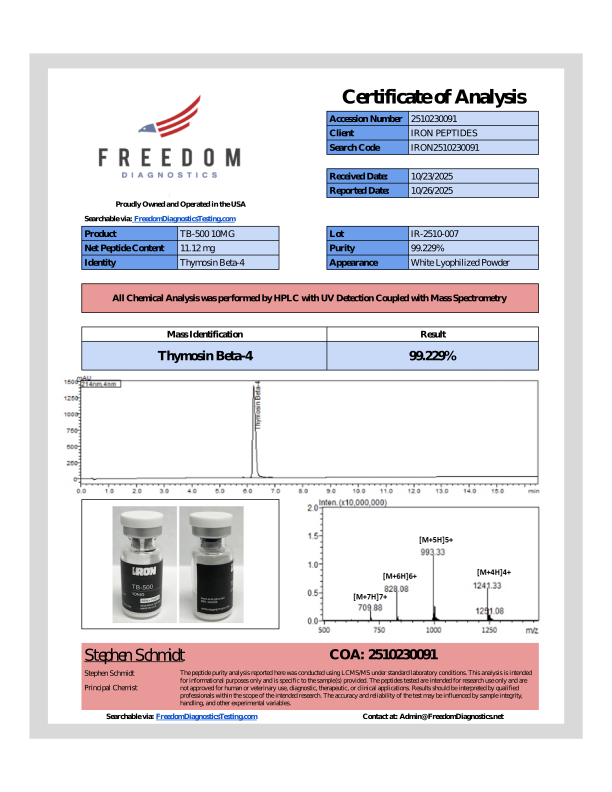
 TB-500 10MG
| 5 star | 0% | |
| 4 star | 0% | |
| 3 star | 0% | |
| 2 star | 0% | |
| 1 star | 0% |
Sorry, no reviews match your current selections

TrustScore 4.3

Edgar Guzman
2026-01-20

I have been taking glp3 for a few…
I have been taking glp3 for a few months and I've been losing about 38 close to 40 lb. I feel great. Lots of energy. I definitely recommend iron. It's to me the most trusted legit company customer service It's amazing. They always have discounts. They always have promotions so if you want to see results go with IRON that's for sure
JC
Jcoop
2026-01-16
Amazing service top-notch products
Amazing service top-notch products, I always receive my peptides within a few days of placing my order.
PV
Paola Vargas
2026-01-16
I have try peptides Reta and it’s so…
I have try peptides Reta and it’s so good helping me with better habits and eating well I feel more energy and my progress it’s easier , very focus and the guiadance on usage it’s so good any questions they are there for you . Def recommend

Vial
- Mazdutide 10MG
- AICAR 50MG
- Lipo-C 10ML
- Survodutide 10MG
- LC-526 Metabolic Complex
- SSJ-9 Amino Matrix
- Epitalon
- L-Carnitine 600MG / 10ML
- Cerebrolysin 60MG
- Oxytocin 5mg
- SELANK
- 5-Amino-1MQ
- VIP
- L-Glutathione 1500MG
- Acetic Acid Solution
- HCG 10000iu
- BAC Water 30ML
- BAC Water 10ML
- GLOW 70MG
- IGF-1 LR3 1MG
- Thymalin
- HCG (5000iu)
- Wolverine Stack Peptides – BPC-157 (5mg) / TB-500 (5mg)
- BAC Water 3ML
- Melanotan II (MT-2) 10MG
- SLU-PP-332 (5MG)
- KPV 10MG
- GHK-Cu
- KLOW 80 – GHK-Cu (50mg) / KPV (10mg) / BPC-157 (10mg) / TB500 (10mg)
- Gonadorelin
- L-Glutathione (200MG)
- SEMAX (10MG)
- Cagrilintide (10MG)
- DSIP – Delta Sleep‑Inducing Peptide (5MG)
- RETA GLP-3
- Kisspeptin-10
- Ipamorelin / CJC-1295 No Dac 10mg
- Tirz GLP-2
- L-Glutathione (500mg)
- Pancragen 20 MG
- Prostamax 20 MG
- Livagen 20 MG
- Testagen 20 MG
- CardioCytogen 20 MG
- TB-4
- ARA‑290 10mg
- FOXO4-DRI (D-Retro-Inverso) 10mg
- SS-31 (10MG)
- Tesamorelin (10MG)
- AOD-9604
- IPAMORELIN 10MG
- PT-141 10MG
- NAD+
- TB-500 10MG
- SEMA GLP-1
- MOTS-C 10MG
- CJC-1295 (10MG)
- BPC-157 (10MG)
IRON
- Mazdutide 10MG
- AICAR 50MG
- Lipo-C 10ML
- Survodutide 10MG
- Methylene Blue 20MG
- 5-Amino-1MQ Capsules 50mg 60 cap
- LC-526 Metabolic Complex
- SSJ-9 Amino Matrix
- MITOCHONDRIAL POWER STACK
- SHRED MATRIX X4
- ANABOLIC SIGNALING MATRIX X3
- L-Carnitine 600MG / 10ML
- Cerebrolysin 60MG
- Oxytocin 5mg
- SELANK
- 5-Amino-1MQ
- VIP
- L-Glutathione 1500MG
- Acetic Acid Solution
- HCG 10000iu
- BAC Water 30ML
- BAC Water 10ML
- GLOW 70MG
- IGF-1 LR3 1MG
- Thymalin
- HCG (5000iu)
- Wolverine Stack Peptides – BPC-157 (5mg) / TB-500 (5mg)
- BAC Water 3ML
- Melanotan II (MT-2) 10MG
- SLU-PP-332 (5MG)
- KPV 10MG
- GHK-Cu
- KLOW 80 – GHK-Cu (50mg) / KPV (10mg) / BPC-157 (10mg) / TB500 (10mg)
- Gonadorelin
- L-Glutathione (200MG)
- SEMAX (10MG)
- Cagrilintide (10MG)
- DSIP – Delta Sleep‑Inducing Peptide (5MG)
- RETA GLP-3
- MK-ULTRA (MK-777)
- Kisspeptin-10
- Ipamorelin / CJC-1295 No Dac 10mg
- Tirz GLP-2
- L-Glutathione (500mg)
- N-Acetyl Selank Spray (30mg) 10ml
- N-acetyl Semax Spray (30mg) 10ml
- Pancragen 20 MG
- Prostamax 20 MG
- Livagen 20 MG
- Testagen 20 MG
- CardioCytogen 20 MG
- TB-4
- ARA‑290 10mg
- FOXO4-DRI (D-Retro-Inverso) 10mg
- KPV 250 MCG (60 Capsules)
- SLU-PP-332 (60 capsules, 250MCG)
- SS-31 (10MG)
- Tesamorelin (10MG)
- MK-677 12.5MG (60 capsules)
- AOD-9604
- IPAMORELIN 10MG
- Healing and Repair Research Blend (60 capsules)
- BPC-157 250MCG (60 capsules)
- Tesofensine 500MCG (100 capsules)
- PT-141 10MG
- NAD+
- TB-500 10MG
- SEMA GLP-1
- MOTS-C 10MG
- CJC-1295 (10MG)
- BPC-157 (10MG)