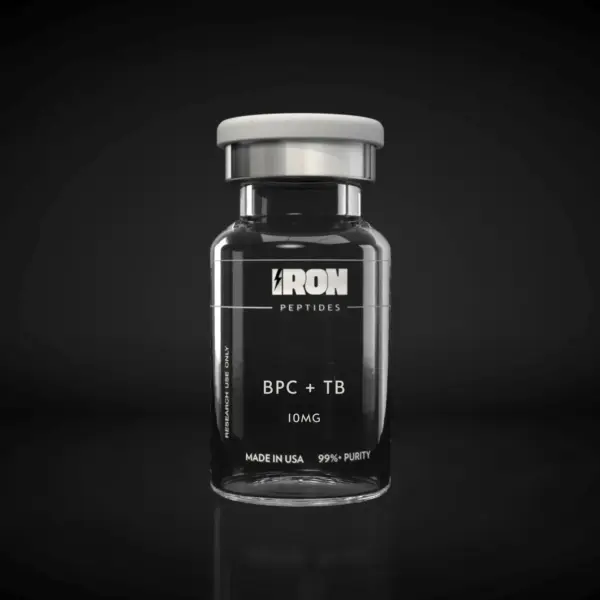
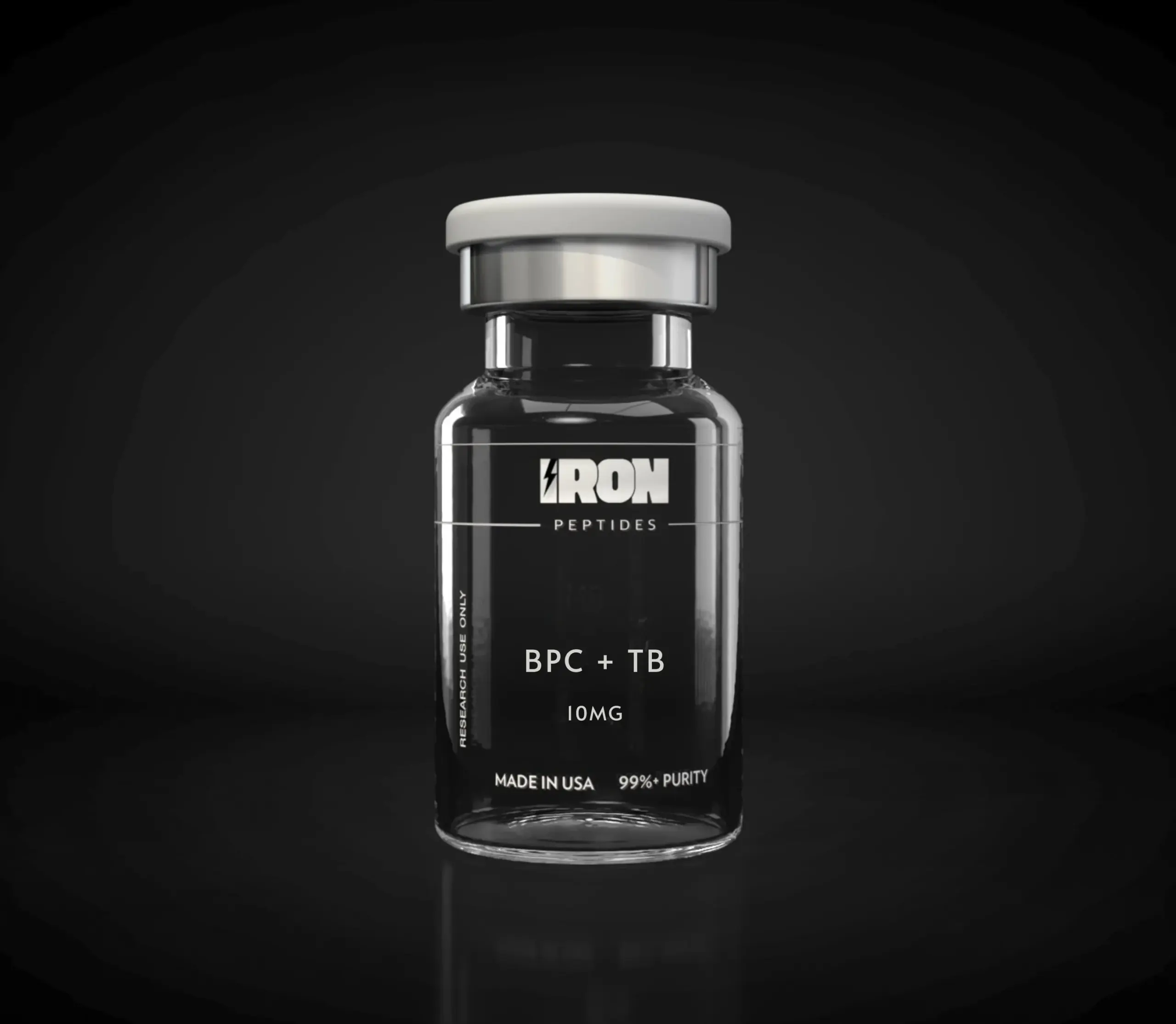
Wolverine Stack Peptides – BPC-157 (5mg) / TB-500 (5mg)
$119.99
Shipping Calculated at checkout.
Availability: 236 in stock
FREE SHIPPING
99%+ PURITY
MADE IN USA
Vial
- Mazdutide 10MG
- AICAR 50MG
- Lipo-C 10ML
- Survodutide 10MG
- LC-526 Metabolic Complex
- SSJ-9 Amino Matrix
- Epitalon
- L-Carnitine 600MG / 10ML
- Cerebrolysin 60MG
- Oxytocin 5mg
- SELANK
- 5-Amino-1MQ
- VIP
- L-Glutathione 1500MG
- Acetic Acid Solution
- HCG 10000iu
- BAC Water 30ML
- BAC Water 10ML
- GLOW 70MG
- IGF-1 LR3 1MG
- Thymalin
- HCG (5000iu)
- Wolverine Stack Peptides – BPC-157 (5mg) / TB-500 (5mg)
- BAC Water 3ML
- Melanotan II (MT-2) 10MG
- SLU-PP-332 (5MG)
- KPV 10MG
- GHK-Cu
- KLOW 80 – GHK-Cu (50mg) / KPV (10mg) / BPC-157 (10mg) / TB500 (10mg)
- Gonadorelin
- L-Glutathione (200MG)
- SEMAX (10MG)
- Cagrilintide (10MG)
- DSIP – Delta Sleep‑Inducing Peptide (5MG)
- RETA GLP-3
- Kisspeptin-10
- Ipamorelin / CJC-1295 No Dac 10mg
- Tirz GLP-2
- L-Glutathione (500mg)
- Pancragen 20 MG
- Prostamax 20 MG
- Livagen 20 MG
- Testagen 20 MG
- CardioCytogen 20 MG
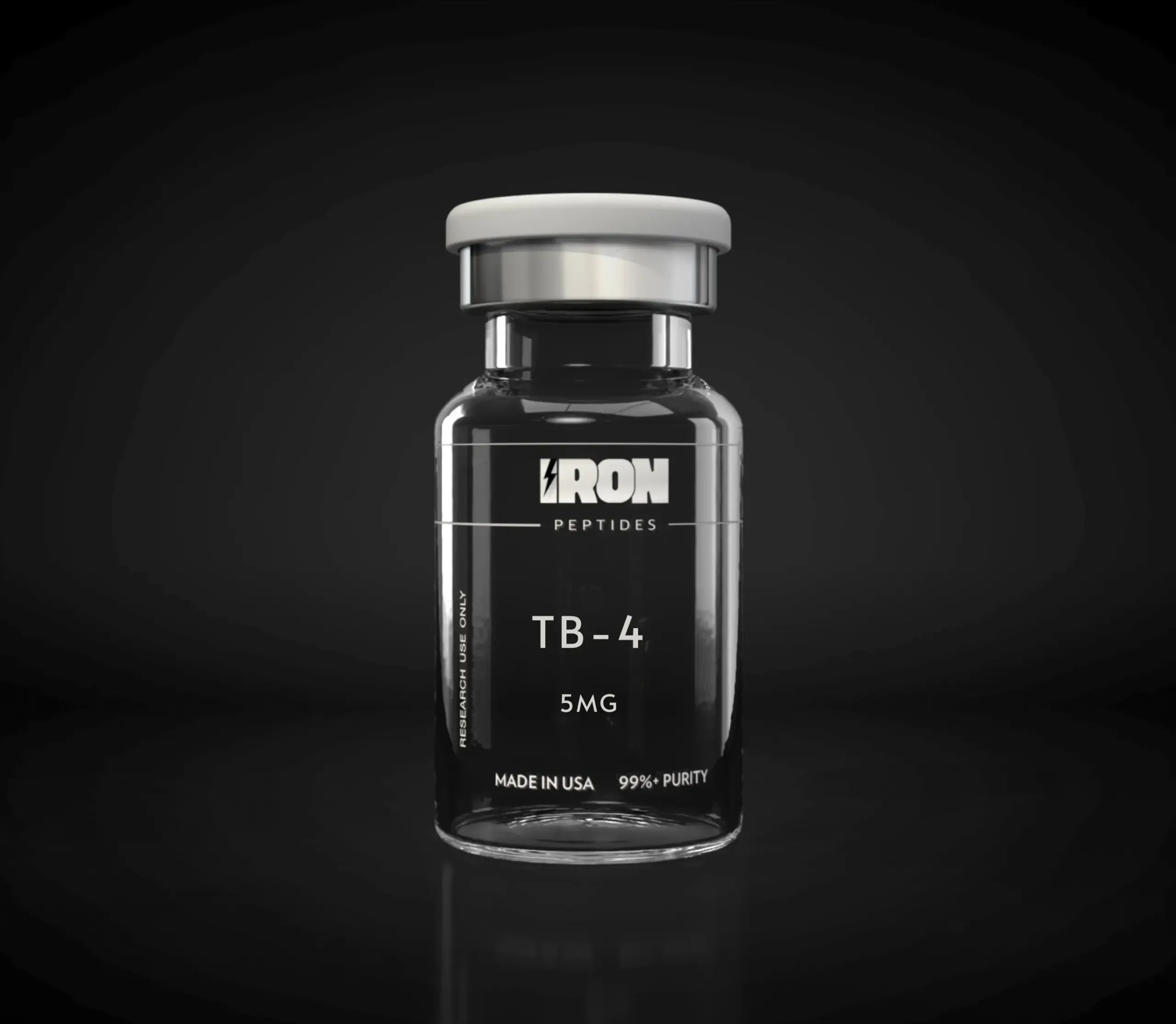
- TB-4
- ARA‑290 10mg
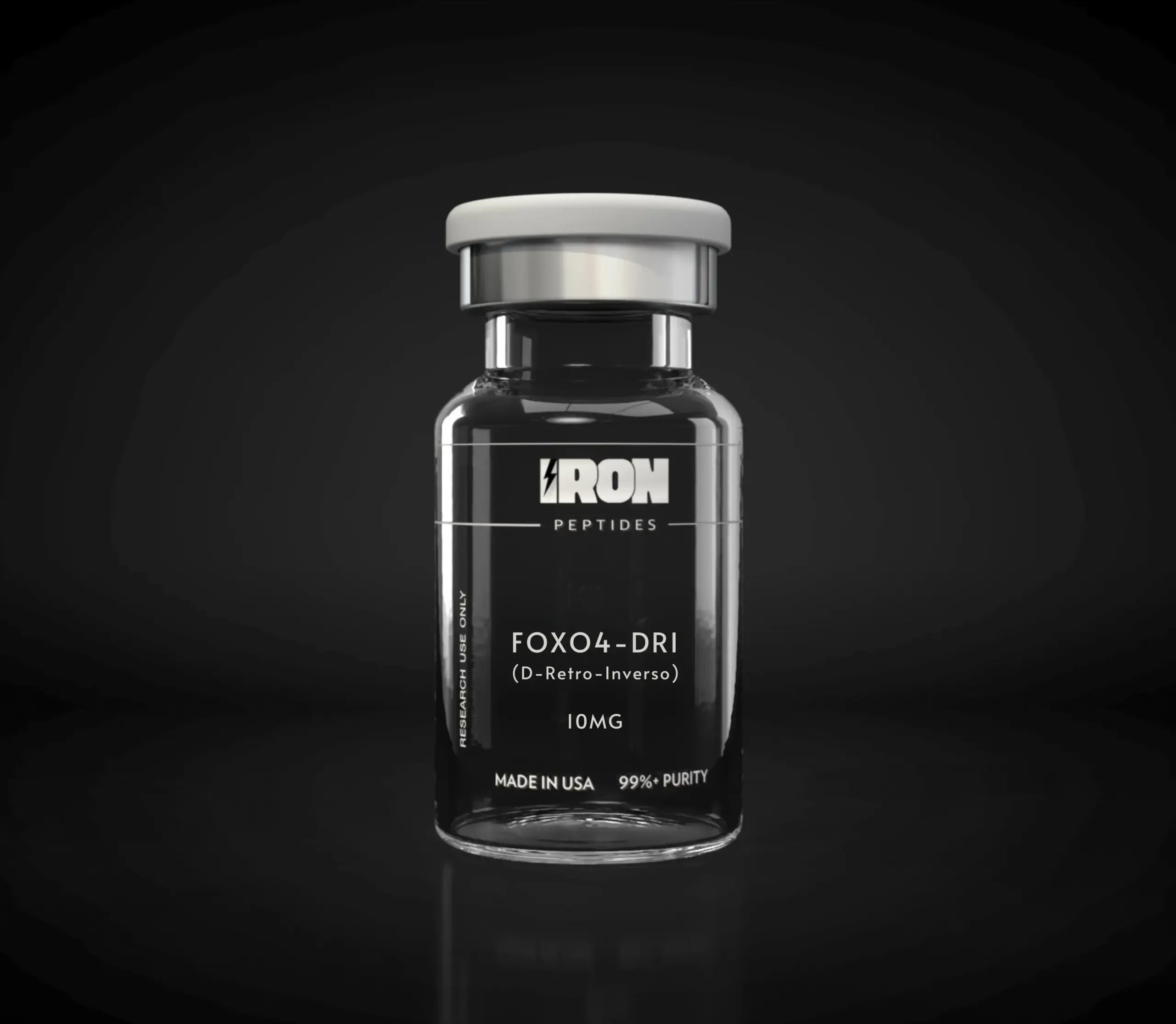
- FOXO4-DRI (D-Retro-Inverso) 10mg
- SS-31 (10MG)
- Tesamorelin (10MG)
- AOD-9604
- IPAMORELIN 10MG
- PT-141 10MG
- NAD+
- TB-500 10MG
- SEMA GLP-1
- MOTS-C 10MG
- CJC-1295 (10MG)
- BPC-157 (10MG)
IRON
- Mazdutide 10MG
- AICAR 50MG
- Lipo-C 10ML
- Survodutide 10MG
- Methylene Blue 20MG
- 5-Amino-1MQ Capsules 50mg 60 cap
- LC-526 Metabolic Complex
- SSJ-9 Amino Matrix
- MITOCHONDRIAL POWER STACK
- SHRED MATRIX X4
- ANABOLIC SIGNALING MATRIX X3
- L-Carnitine 600MG / 10ML
- Cerebrolysin 60MG
- Oxytocin 5mg
- SELANK
- 5-Amino-1MQ
- VIP
- L-Glutathione 1500MG
- Acetic Acid Solution
- HCG 10000iu
- BAC Water 30ML
- BAC Water 10ML
- GLOW 70MG
- IGF-1 LR3 1MG
- Thymalin
- HCG (5000iu)
- Wolverine Stack Peptides – BPC-157 (5mg) / TB-500 (5mg)
- BAC Water 3ML
- Melanotan II (MT-2) 10MG
- SLU-PP-332 (5MG)
- KPV 10MG
- GHK-Cu
- KLOW 80 – GHK-Cu (50mg) / KPV (10mg) / BPC-157 (10mg) / TB500 (10mg)
- Gonadorelin
- L-Glutathione (200MG)
- SEMAX (10MG)
- Cagrilintide (10MG)
- DSIP – Delta Sleep‑Inducing Peptide (5MG)
- RETA GLP-3
- MK-ULTRA (MK-777)
- Kisspeptin-10
- Ipamorelin / CJC-1295 No Dac 10mg
- Tirz GLP-2
- L-Glutathione (500mg)
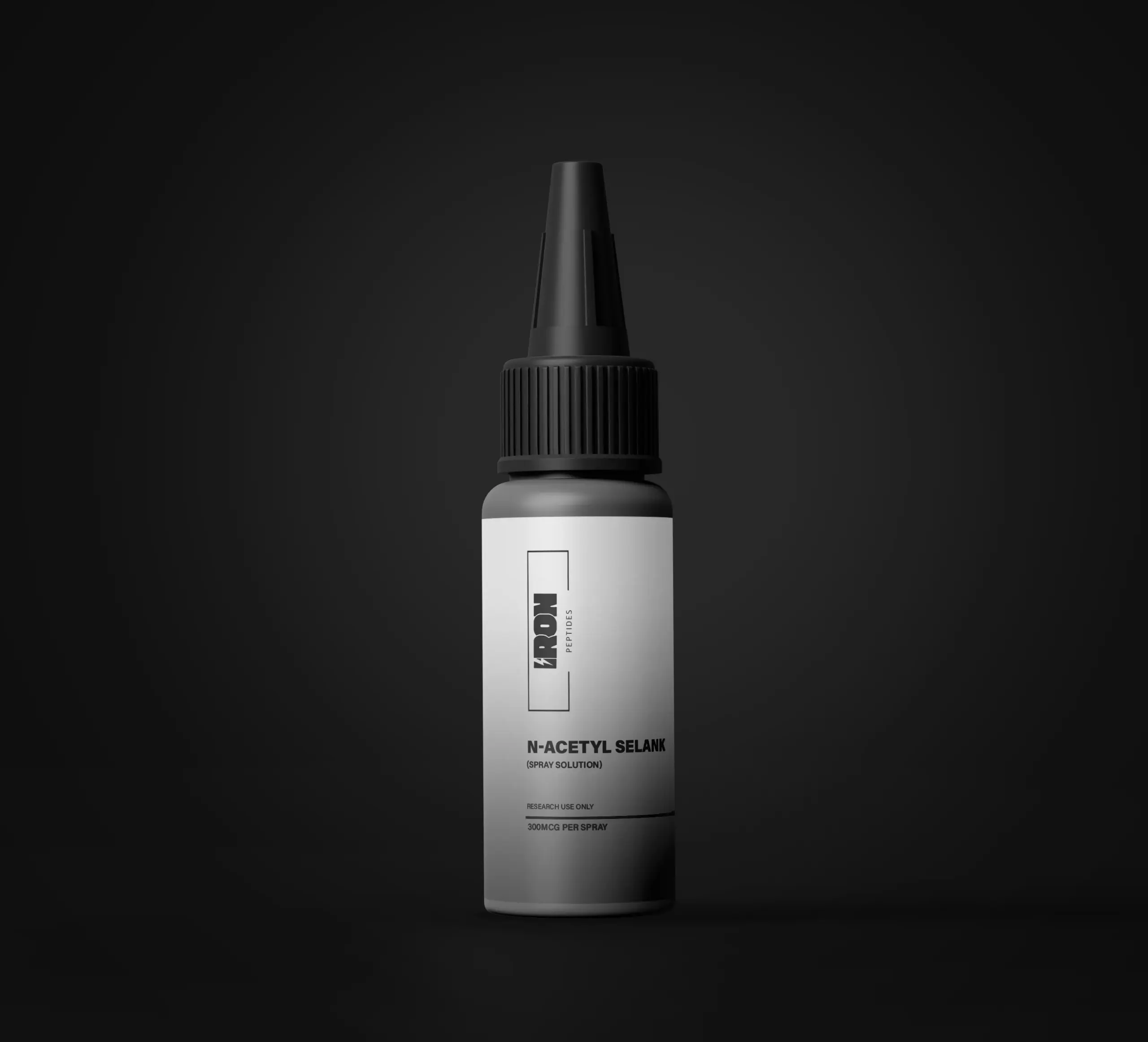
- N-Acetyl Selank Spray (30mg) 10ml
- N-acetyl Semax Spray (30mg) 10ml
- Pancragen 20 MG
- Prostamax 20 MG
- Livagen 20 MG
- Testagen 20 MG
- CardioCytogen 20 MG
- TB-4
- ARA‑290 10mg
- FOXO4-DRI (D-Retro-Inverso) 10mg
- KPV 250 MCG (60 Capsules)
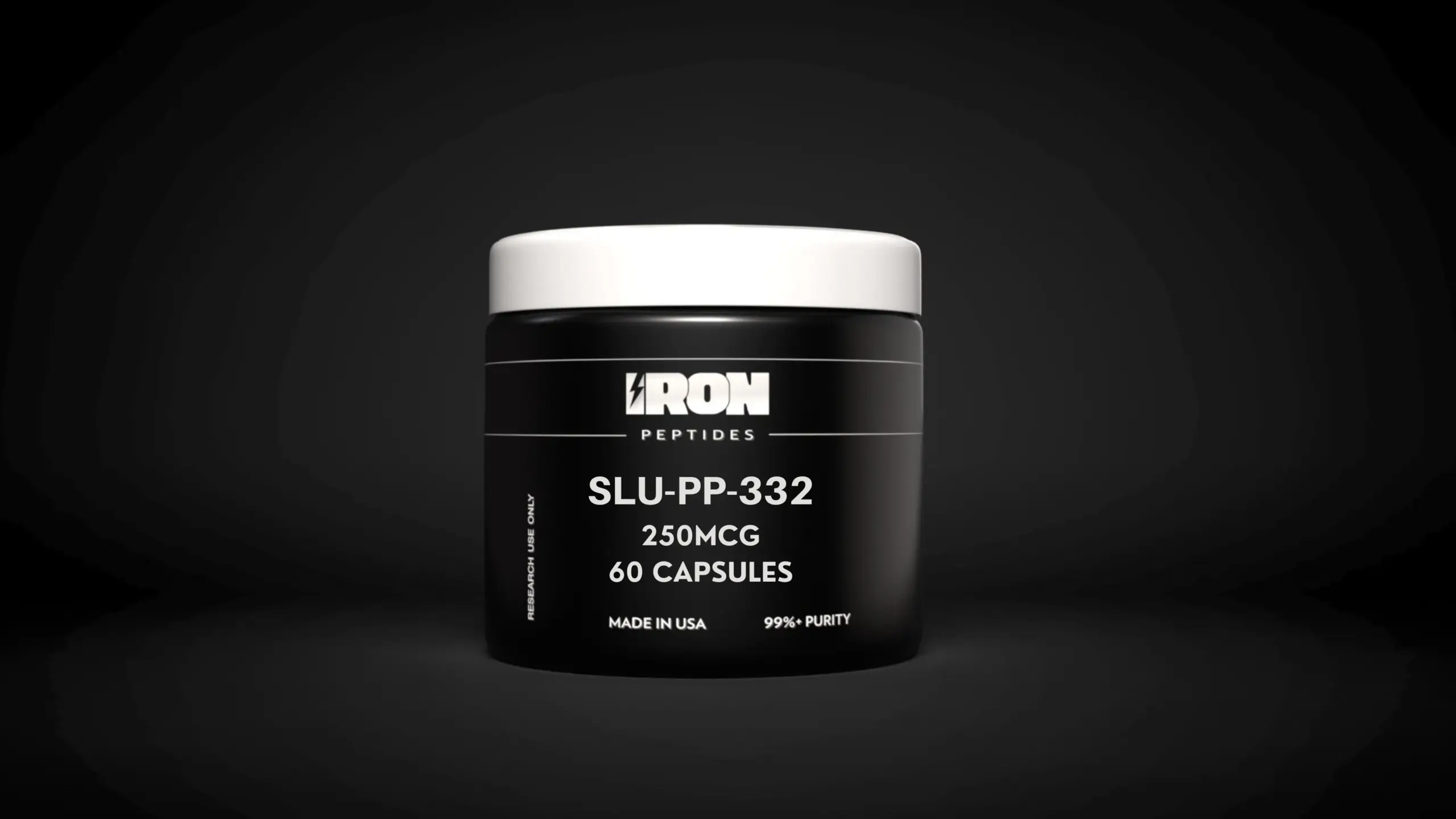
- SLU-PP-332 (60 capsules, 250MCG)
- SS-31 (10MG)
- Tesamorelin (10MG)
- MK-677 12.5MG (60 capsules)
- AOD-9604
- IPAMORELIN 10MG
- Healing and Repair Research Blend (60 capsules)
- BPC-157 250MCG (60 capsules)
- Tesofensine 500MCG (100 capsules)
- PT-141 10MG
- NAD+
- TB-500 10MG
- SEMA GLP-1
- MOTS-C 10MG
- CJC-1295 (10MG)
- BPC-157 (10MG)

What is Wolverine Stack Peptides – BPC-157 (5mg) / TB-500 (5mg)?
Biochemical attributes
Bpc-157
BPC-157 is a synthetic pentadecapeptide that has been examined in a range of experimental tissue-injury and repair models. Within tendon-oriented laboratory studies, BPC-157 has been linked to cellular processes associated with structural maintenance and regeneration, including enhanced cell viability, migration, and localized cellular organization within injured tissue matrices. Experimental findings suggest that the peptide may influence fibroblast-related activity, supporting extracellular matrix interactions and cellular outgrowth during tissue remodeling phases. Additional preclinical investigations indicate that BPC-157 interacts with signaling pathways involved in angiogenic balance, nitric oxide modulation, and cytoprotective responses, all of which are relevant to connective tissue research frameworks. These properties have positioned BPC-157 as a frequently studied compound in regenerative biology models exploring tendon integrity, cellular adaptation to mechanical stress, and peptide-mediated responses in controlled laboratory environments rather than as a therapeutic intervention.TB-500
TB-500 is commonly examined as a synthetic analogue derived from thymosin beta-4, a peptide extensively explored in experimental models of tissue adaptation and cellular signaling. Within the scientific literature, thymosin beta-4 is frequently associated with regulation of intracellular actin dynamics, a process essential for cell motility, structural integrity, and coordinated migration during tissue turnover. These properties have positioned TB-500 as a molecule of interest in studies evaluating coordinated cellular movement and spatial organization within injured or remodeling tissues. Beyond cytoskeletal regulation, experimental data suggest that thymosin beta-4–related peptides may influence endothelial cell behavior and microvascular patterning, contributing to angiogenic signaling in laboratory models. Additional investigations have explored its involvement in modulating extracellular matrix interactions and fibroblast-associated pathways, particularly in contexts where controlled tissue remodeling is being evaluated. In fibrosis-focused research, thymosin beta-4 has been discussed as a potential upstream regulator of signaling cascades linked to matrix deposition and tissue architecture reorganization, making TB-500 a relevant subject in mechanistic studies of regenerative biology and cellular repair systems.
Chemical Structure of Wolverine Stack Peptides – BPC-157 (5mg) / TB-500 (5mg)
-
BPC-157: Sequence: Gly-Glu-Pro-Pro-Pro-Gly-Lys-Pro-Ala-Asp-Asp-Ala-Gly-Leu-Val; Molecular weight ~1,419.56 g/mol.
-
Thymosin β4 Fragment (17-23): Sequence: Leu-Lys-Lys-Thr-Glu-Thr-Gln; Molecular weight ~846.97 g/mol (as per one supplier listing).
-
The Stack is supplied as a single lyophilized powder where both peptides are present at research-grade purity (≥98.5% HPLC in many cases).

What Are the Effects of Wolverine Stack Peptides – BPC-157 (5mg) / TB-500 (5mg)?
The Wolverine blend is evaluated in experimental models based on the complementary biological pathways influenced by BPC-157 and TB-500. Rather than acting through a single signaling route, the blend is hypothesized to affect multiple coordinated stages of tissue response following cellular stress or structural disruption (1,2).
Cytoskeletal regulation and cell migration
TB-500, derived from thymosin beta-4, interacts with actin-binding processes that influence cytoskeletal organization and filament turnover. This interaction supports cellular motility, polarity, and spatial coordination during early response phases, particularly in laboratory models examining cell migration, endothelial patterning, and structural alignment within developing tissue matrices (3–5).
Cell survival and signaling modulation
BPC-157 has been investigated for its interaction with nitric oxide signaling, growth factor-associated pathways, and intracellular survival cascades. Preclinical studies suggest that BPC-157 may influence cellular resilience, stress-response signaling, and intercellular communication under experimentally induced disruption conditions (6,7).
Angiogenesis and microenvironment support
Both peptides have been independently studied in relation to vascular signaling environments. TB-500 is frequently associated with endothelial organization, capillary sprouting, and neovascular patterning, while BPC-157 has been explored for its role in maintaining vascular continuity, endothelial stability, and microenvironmental support in controlled experimental systems (4,8,9).
Extracellular matrix organization
The blend is theorized to influence extracellular matrix dynamics indirectly by modulating fibroblast behavior, collagen deposition orientation, and matrix remodeling signals. These processes are central to the transition from early cellular response toward later-stage structural reorganization and tissue architecture refinement (2,6,10).
Inflammatory signaling balance
Experimental literature also discusses the potential involvement of both peptides in pathways related to inflammatory signaling modulation. Rather than direct suppression, research focuses on how signaling balance, resolution timing, and phase transition between inflammatory and remodeling stages may be influenced in laboratory models (7,11).
Temporal coordination of repair phases
From a systems-biology perspective, combined evaluation of BPC-157 and TB-500 is based on the hypothesis that each peptide may support distinct rate-limiting steps, such as cellular recruitment, cytoskeletal adaptation, vascular organization, and remodeling-stage signaling rather than duplicating identical biological effects (1,3,12).
Overall, the Wolverine blend is utilized in controlled laboratory research to explore how multi-pathway peptide signaling may contribute to coordinated cellular recovery mechanisms. Its investigation remains preclinical, with ongoing studies aimed at clarifying mechanistic specificity, interaction boundaries, and biological constraints (1,12).
Implimentations
Experimental models of tissue repair:
The BPC-157 and TB-500 combination has been explored in laboratory studies to examine coordinated cellular responses during tissue repair, including cell migration, cytoskeletal reorganization, and matrix adaptation following experimentally induced injury. These models allow investigation of early cellular recruitment, survival signaling, and structural alignment under controlled conditions.(13)
Wound biology and repair signaling research:
In vitro and in vivo experimental systems utilize these peptides to study wound-associated signaling cascades, particularly pathways involved in angiogenic activation, actin remodeling, and the transition from inflammatory signaling to remodeling phases. Such models help map temporal signaling shifts rather than therapeutic outcomes.(3,14)
Angiogenesis and micro vascular research:
TB-500–related pathways are investigated for their association with endothelial cell migration, capillary sprouting, and vascular pattern formation, while BPC-157 is examined for its interaction with nitric oxide–linked signaling systems relevant to microcirculatory stability and vascular integrity in experimental environments.(13,14,15)
Fibroblast and extracellular matrix dynamics:
Research applications include assessment of fibroblast proliferation, directional migration, collagen deposition, and extracellular matrix organization. These studies enable evaluation of how peptide-mediated signaling may influence matrix architecture, tensile alignment, and remodeling kinetics within engineered or injured tissue models.(13,15,18)
Inflammation-modulation pathways:
In non-clinical research settings, both peptides have been used to study regulatory effects on inflammatory mediators and signaling balance. Emphasis is placed on phase-specific modulation and resolution signaling rather than direct inflammatory suppression, providing insight into immune repair coordination.(3,17,19)
Cell survival and stress-response modeling:
BPC-157 is frequently evaluated in experimental systems focused on cellular stress tolerance, survival cascades, and intercellular communication under hypoxic or mechanically disrupted conditions, supporting mechanistic mapping of resilience-associated signaling pathways.(14,16)
Regenerative biology and mechanistic mapping:
Combined evaluation of BPC-157 and TB-500 supports hypothesis-driven research into multi-pathway coordination, enabling differentiation between cytoskeletal regulation, growth-factor–associated signaling, vascular adaptation, and matrix remodeling within regenerative biology frameworks.(14,18)
Research
Role in wound healing
In wound-healing research, the Wolverine blend is examined for its capacity to influence multiple overlapping phases of tissue repair rather than operating through a singular linear pathway. Preclinical investigations indicate that the combined peptides may affect early wound responses by supporting cellular organization, directional movement, and adaptive signaling within experimentally injured tissue environments (3,20).
Experimental models suggest that TB-500–associated pathways are closely linked to actin dynamics, enabling repair-relevant cells such as keratinocytes and endothelial cells to reorganize cytoskeletal structures and migrate efficiently across wound margins. This cytoskeletal adaptability is considered essential for re-epithelialization processes and early wound closure in laboratory systems (15,19). BPC-157, by contrast, has been explored for its interactions with nitric oxide related signaling, growth factor modulation, and intracellular stress-response networks, which may influence cell viability and intercellular communication during tissue disruption (21,22).
Animal-based studies have reported enhanced granulation tissue formation, improved wound tensile characteristics, and more organized vascular architecture following experimental peptide exposure; however, these outcomes remain model-dependent and non-clinical in nature (23,24). Importantly, no large-scale randomized controlled trials (RCTs) in human populations have validated these findings. Current evidence is therefore limited to in vitro and animal research, positioning the Wolverine blend as a subject of mechanistic investigation rather than an established wound-healing intervention (24).
In tendon-healing research, the Wolverine blend is examined for its potential involvement in coordinated cellular and structural responses following tendon injury. Experimental studies suggest that TB-500–associated pathways may support tenocyte migration and cytoskeletal reorganization, processes that are critical for restoring tendon continuity and alignment under mechanical load (21,22). In parallel, BPC-157 has been explored in tendon-focused animal models for its interaction with nitric oxide–related signaling and growth factor modulation, which may influence cellular survival, collagen fiber orientation, and biomechanical integrity during remodeling phases (23,24). Preclinical investigations have reported improvements in tendon thickness, collagen maturation, and tensile properties in controlled settings; however, these findings remain limited to in vitro and animal studies. No randomized controlled trials in humans currently confirm efficacy, and the blend continues to be studied strictly within experimental and mechanistic research frameworks (21–24).
Integration of Growth Hormone–Related Fibroblast Signaling
Fibroblasts are key regulators of tendon healing, mediating extracellular matrix deposition and structural remodeling. Preclinical studies suggest BPC-157 enhances growth hormone receptor expression on tendon fibroblasts, potentially increasing their responsiveness to anabolic signals and promoting proliferation and collagen synthesis (22,25). TB-500 supports cytoskeletal organization and cell migration, facilitating fibroblast recruitment to injury sites and aligned matrix deposition (26,27). Combined, these peptides may synergistically extend fibroblast activity and improve tendon structural organization. Experimental animal models report accelerated collagen alignment, increased tensile strength, and enhanced functional recovery following administration of BPC-157 and TB-500, although clinical validation remains limited(28,29).
References
- Vukojević J, et al. Pentadecapeptide BPC-157 and tissue healing: experimental evidence and proposed mechanisms. J Physiol Pharmacol. 2018;69(3):315-325.
- Seiwerth S, et al. Stable gastric pentadecapeptide BPC-157 in tissue repair and regeneration. Curr Pharm Des. 2011;17(16):1612-1632.
- Goldstein AL, Kleinman HK. Thymosin beta-4: actin sequestration and cellular migration. Ann N Y Acad Sci. 2010;1194:48-54.
- Smart N, et al. Thymosin beta-4 induces adult epicardial progenitor mobilization and neovascularization. Nature. 2007;445(7124):177-182.
- Philp D, et al. Thymosin beta-4 promotes cell migration and angiogenesis. FASEB J. 2003;17(14):2103-2105.
- Chang CH, et al. BPC-157 influences fibroblast activity and extracellular matrix organization in experimental injury models. Peptides. 2016;76:1-9.
- Sikiric P, et al. Modulation of nitric oxide pathways by BPC-157 in tissue stress models. Nitric Oxide. 2014;41:24-34.
- Malinda KM, et al. Thymosin beta-4 accelerates wound healing. J Invest Dermatol. 1999;113(3):364-368.
- Hsieh JH, et al. Vascular protective properties of BPC-157 in experimental systems. Vascul Pharmacol. 2017;96-98:28-35.
- Grgic T, et al. Collagen organization and remodeling influenced by BPC-157 in connective tissue models. Cell Tissue Res. 2020;381(3):403-415.
- Sosne G, et al. Thymosin beta-4 and inflammation-resolution signaling. Ann N Y Acad Sci. 2012;1269:86-95.
- Kang GM, et al. Multi-pathway peptide signaling in experimental tissue recovery models. Peptides. 2021;138:170491.
- Sikiric P, Seiwerth S, Rucman R, et al. Stable gastric pentadecapeptide BPC-157 in tissue healing and repair models. J Physiol Pharmacol. 2010;61(2):241-252.
- Chang J, Pang M, Goldstein AL, et al. Thymosin β4 promotes angiogenesis and wound healing. J Invest Dermatol. 2007;127(10):2315-2322.
- Malinda KM, Sidhu GS, Mani H, et al. Thymosin β4 accelerates wound healing. J Invest Dermatol. 1999;113(3):364-368.
- Sikiric P, Drmic D, Boban Blagaic A, et al. BPC-157 and nitric oxide system interactions in experimental models. Curr Pharm Des. 2011;17(16):1731-1745.
- Philp D, Kleinman HK. Animal studies with thymosin β4: wound healing and inflammation. Ann N Y Acad Sci. 2010;1194:81-86.
- Rucman R, Sikiric P, Seiwerth S. Pentadecapeptide BPC-157 and extracellular matrix organization in injury models. Med Sci Monit. 2014;20:134-142.
- Smart N, Risebro CA, Melville AA, et al. Thymosin β4 induces adult epicardial progenitor mobilization. Nature. 2007;445(7124):177-182.
- Sikiric P, Rucman R, Turkovic B, et al. Stable gastric pentadecapeptide BPC-157 and wound healing. J Physiol Pharmacol. 2018;69(6):857–68.
- Chang CH, Tsai WC, Lin MS, et al. Nitric oxide signaling involvement in BPC-157–mediated tissue responses. Peptides. 2014;54:1–7.
- Sikiric P, Seiwerth S, Grabarevic Z, et al. Pentadecapeptide BPC-157 positively affects healing processes in experimental injury models. J Physiol Paris. 1999;93(4):337–46.
- Hsieh MJ, Liu HT, Wang CN, et al. Thymosin β4 accelerates wound repair in murine skin injury models. Wound Repair Regen. 2016;24(2):318–27.
- Cesaretti M, Greco S, Di Mambro A, et al. Experimental peptides and tissue remodeling: limits and perspectives. Front Mol Biosci. 2021;8:662091.
- Sikiric P, Seiwerth S, Rucman R, et al. BPC 157 and tendon healing: growth hormone receptor modulation in experimental models. J Physiol Pharmacol. 2019;70(5):729–738.
- Dobrowolski L, et al. BPC-157 accelerates tendon repair and modulates fibroblast activity. J Orthop Res. 2020;38(7):1523–1532.
- Goldstein AL, Hannappel E, Kleinman HK. Thymosin beta 4: actin-sequestering protein and tissue repair regulator. Expert Opin Biol Ther. 2012;12(8):1093–1103.
- Morris R, Kyriakides TR. Cytoskeletal dynamics in tendon fibroblast migration: insights from TB-500 peptide studies. Connect Tissue Res. 2020;61(6):575–586.
- Cho NS, Lee BG, Park JY, Rhee YG. Tendon healing: evaluation of experimental interventions targeting fibroblast activity. Am J Sports Med. 2013;41(8):1917–1925.

 Wolverine Stack Peptides - BPC-157 (5mg) / TB-500 (5mg)
| 5 star | 0% | |
| 4 star | 0% | |
| 3 star | 0% | |
| 2 star | 0% | |
| 1 star | 0% |
Sorry, no reviews match your current selections

TrustScore 4.3

Edgar Guzman
2026-01-20

I have been taking glp3 for a few…
I have been taking glp3 for a few months and I've been losing about 38 close to 40 lb. I feel great. Lots of energy. I definitely recommend iron. It's to me the most trusted legit company customer service It's amazing. They always have discounts. They always have promotions so if you want to see results go with IRON that's for sure
JC
Jcoop
2026-01-16
Amazing service top-notch products
Amazing service top-notch products, I always receive my peptides within a few days of placing my order.
PV
Paola Vargas
2026-01-16
I have try peptides Reta and it’s so…
I have try peptides Reta and it’s so good helping me with better habits and eating well I feel more energy and my progress it’s easier , very focus and the guiadance on usage it’s so good any questions they are there for you . Def recommend
Vial
- Mazdutide 10MG
- AICAR 50MG
- Lipo-C 10ML
- Survodutide 10MG
- LC-526 Metabolic Complex
- SSJ-9 Amino Matrix
- Epitalon
- L-Carnitine 600MG / 10ML
- Cerebrolysin 60MG
- Oxytocin 5mg
- SELANK
- 5-Amino-1MQ
- VIP
- L-Glutathione 1500MG
- Acetic Acid Solution
- HCG 10000iu
- BAC Water 30ML
- BAC Water 10ML
- GLOW 70MG
- IGF-1 LR3 1MG
- Thymalin
- HCG (5000iu)
- Wolverine Stack Peptides – BPC-157 (5mg) / TB-500 (5mg)
- BAC Water 3ML
- Melanotan II (MT-2) 10MG
- SLU-PP-332 (5MG)
- KPV 10MG
- GHK-Cu
- KLOW 80 – GHK-Cu (50mg) / KPV (10mg) / BPC-157 (10mg) / TB500 (10mg)
- Gonadorelin
- L-Glutathione (200MG)
- SEMAX (10MG)
- Cagrilintide (10MG)
- DSIP – Delta Sleep‑Inducing Peptide (5MG)
- RETA GLP-3
- Kisspeptin-10
- Ipamorelin / CJC-1295 No Dac 10mg
- Tirz GLP-2
- L-Glutathione (500mg)
- Pancragen 20 MG
- Prostamax 20 MG
- Livagen 20 MG
- Testagen 20 MG
- CardioCytogen 20 MG
- TB-4
- ARA‑290 10mg
- FOXO4-DRI (D-Retro-Inverso) 10mg
- SS-31 (10MG)
- Tesamorelin (10MG)
- AOD-9604
- IPAMORELIN 10MG
- PT-141 10MG
- NAD+
- TB-500 10MG
- SEMA GLP-1
- MOTS-C 10MG
- CJC-1295 (10MG)
- BPC-157 (10MG)
IRON
- Mazdutide 10MG
- AICAR 50MG
- Lipo-C 10ML
- Survodutide 10MG
- Methylene Blue 20MG
- 5-Amino-1MQ Capsules 50mg 60 cap
- LC-526 Metabolic Complex
- SSJ-9 Amino Matrix
- MITOCHONDRIAL POWER STACK
- SHRED MATRIX X4
- ANABOLIC SIGNALING MATRIX X3
- L-Carnitine 600MG / 10ML
- Cerebrolysin 60MG
- Oxytocin 5mg
- SELANK
- 5-Amino-1MQ
- VIP
- L-Glutathione 1500MG
- Acetic Acid Solution
- HCG 10000iu
- BAC Water 30ML
- BAC Water 10ML
- GLOW 70MG
- IGF-1 LR3 1MG
- Thymalin
- HCG (5000iu)
- Wolverine Stack Peptides – BPC-157 (5mg) / TB-500 (5mg)
- BAC Water 3ML
- Melanotan II (MT-2) 10MG
- SLU-PP-332 (5MG)
- KPV 10MG
- GHK-Cu
- KLOW 80 – GHK-Cu (50mg) / KPV (10mg) / BPC-157 (10mg) / TB500 (10mg)
- Gonadorelin
- L-Glutathione (200MG)
- SEMAX (10MG)
- Cagrilintide (10MG)
- DSIP – Delta Sleep‑Inducing Peptide (5MG)
- RETA GLP-3
- MK-ULTRA (MK-777)
- Kisspeptin-10
- Ipamorelin / CJC-1295 No Dac 10mg
- Tirz GLP-2
- L-Glutathione (500mg)
- N-Acetyl Selank Spray (30mg) 10ml
- N-acetyl Semax Spray (30mg) 10ml
- Pancragen 20 MG
- Prostamax 20 MG
- Livagen 20 MG
- Testagen 20 MG
- CardioCytogen 20 MG
- TB-4
- ARA‑290 10mg
- FOXO4-DRI (D-Retro-Inverso) 10mg
- KPV 250 MCG (60 Capsules)
- SLU-PP-332 (60 capsules, 250MCG)
- SS-31 (10MG)
- Tesamorelin (10MG)
- MK-677 12.5MG (60 capsules)
- AOD-9604
- IPAMORELIN 10MG
- Healing and Repair Research Blend (60 capsules)
- BPC-157 250MCG (60 capsules)
- Tesofensine 500MCG (100 capsules)
- PT-141 10MG
- NAD+
- TB-500 10MG
- SEMA GLP-1
- MOTS-C 10MG
- CJC-1295 (10MG)
- BPC-157 (10MG)